
Get Grease Trap Installation
Local contractors provide grease trap installation services to prevent kitchen drainage clogs, manage waste effectively, and ensure proper plumbing system operation for commercial or industrial properties.
Grease trap installation is an important consideration for property owners in the area looking to maintain efficient and compliant operations. Properly installed grease traps help prevent plumbing issues, reduce odors, and ensure that commercial kitchens or food service facilities meet local regulations. Whether upgrading existing systems or installing new units, exploring options from experienced local contractors can provide practical solutions tailored to specific property needs.
For those planning new projects or upgrades, comparing local service providers can help identify the right expertise and approach for grease trap installation. Engaging with trusted local contractors ensures that the work aligns with industry standards and property requirements. Keep reading to learn more about how local professionals can assist with your grease trap installation needs and help your property operate smoothly.
- Grease Trap Installation - needed when a commercial kitchen is setting up a new plumbing system or upgrading existing fixtures.
- Grease Trap Maintenance - required for ongoing upkeep to prevent blockages and ensure proper functioning of the system.
- Grease Trap Replacement - necessary when a trap has reached the end of its lifespan or is no longer operating effectively.
- Grease Trap Inspection - advised during routine plumbing checks to identify potential issues before they cause backups or damage.
- Grease Trap Retrofit - sought when upgrading older systems to meet current regulations or improve efficiency.
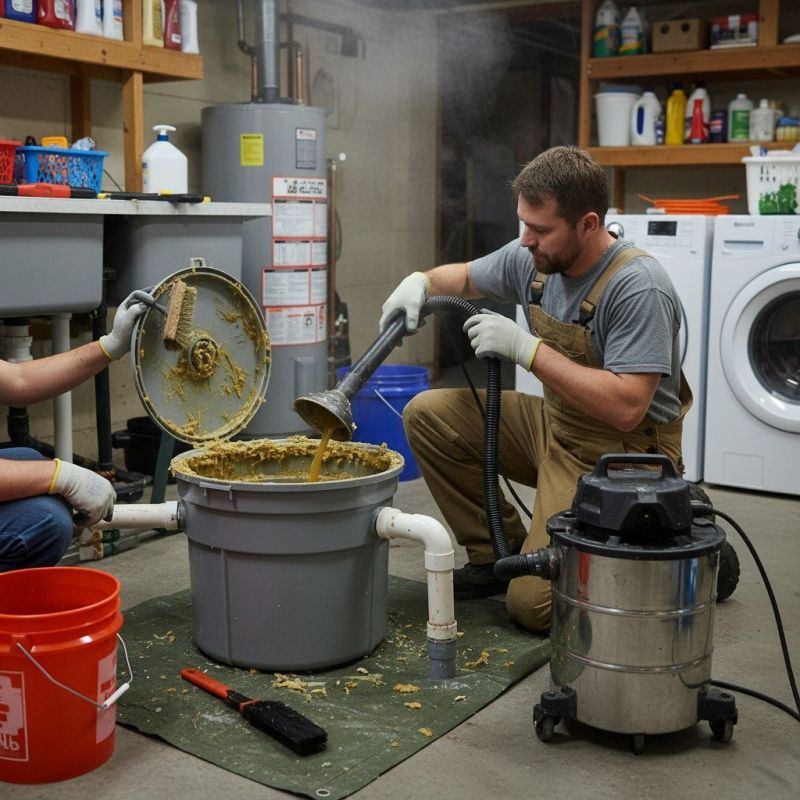
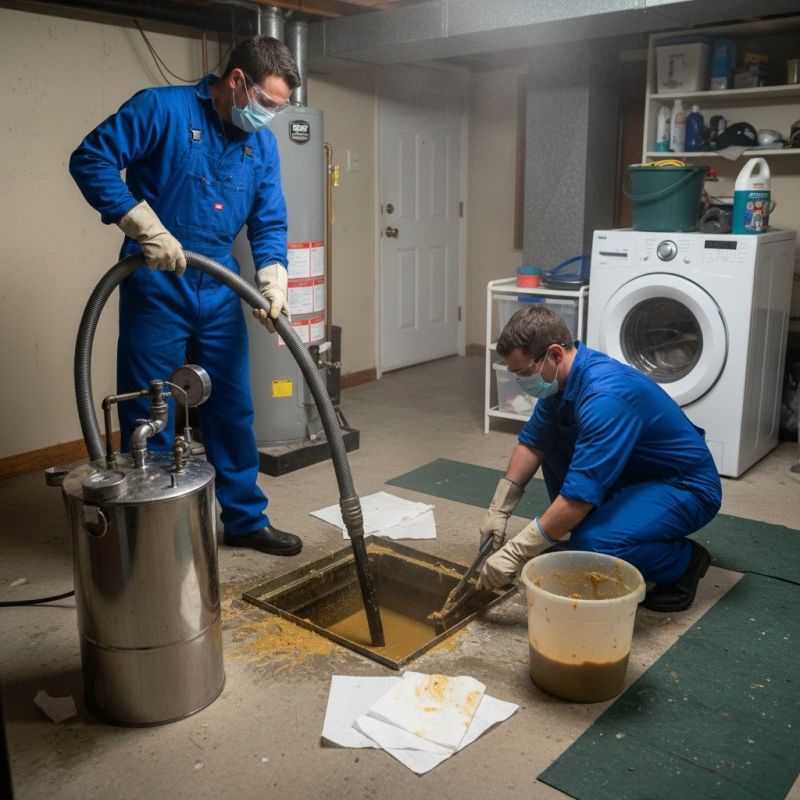
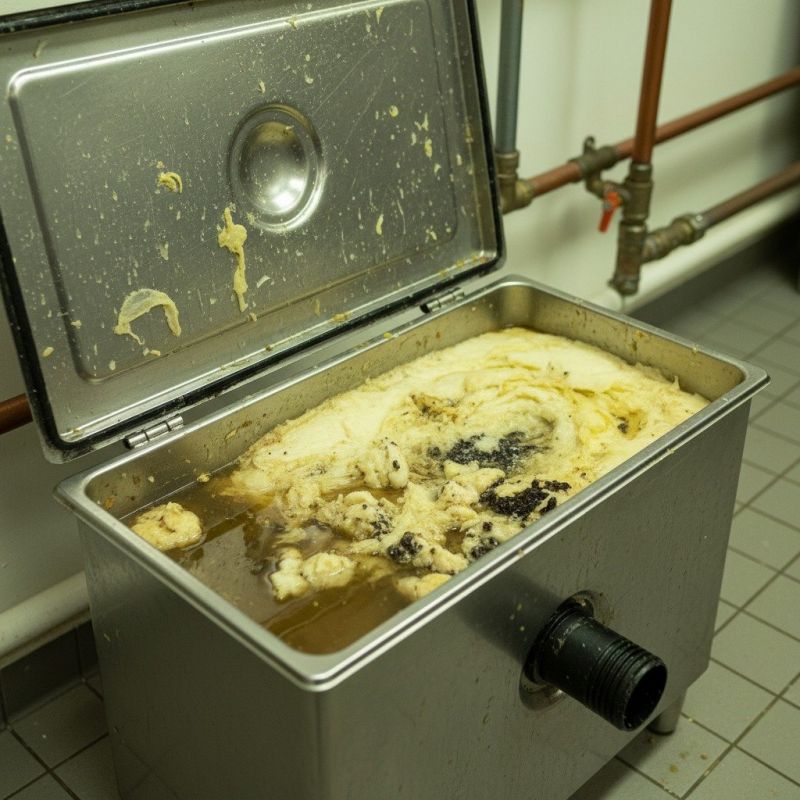
Grease trap installation services involve placing specialized units designed to capture fats, oils, and grease (FOG) from wastewater before it enters the plumbing system. These systems are typically installed in commercial kitchens, restaurants, food processing facilities, and other properties where large quantities of greasy waste are generated. Proper installation ensures that the grease trap functions effectively, helping to prevent blockages, backups, and unpleasant odors that can disrupt operations and lead to costly plumbing issues. Skilled service providers can determine the appropriate size and placement of the grease trap based on the property's specific needs, ensuring optimal performance and compliance with local regulations.
Installing a grease trap addresses common problems associated with greasy waste management. Without a properly installed system, fats and oils can solidify within pipes, causing clogs that can lead to overflows and damage to the plumbing infrastructure. These blockages often result in foul odors, unsanitary conditions, and potential violations of health codes. By investing in professional grease trap installation, property owners can significantly reduce the risk of plumbing emergencies, maintain smooth wastewater flow, and avoid costly repairs or penalties related to improper waste disposal.
Properties that typically require grease trap installation include restaurants, cafeterias, catering facilities, and commercial kitchens within hotels or institutions. Food service businesses generate substantial amounts of FOG, making it essential to have a dedicated system in place to manage waste effectively. Additionally, some food manufacturing or processing plants may also need grease traps to handle residual fats and oils safely. Even certain apartment complexes or multi-unit residential buildings with communal kitchens might benefit from these systems if they have food preparation areas that produce greasy waste, ensuring compliance and smooth operation.
Local service providers specializing in grease trap installation can assess a property’s specific needs and recommend the most suitable solutions. They handle the entire process, from selecting the right size and type of trap to proper installation and setup. Property owners or managers can contact these contractors to compare options, ensure proper installation, and maintain compliance with local codes. Having a professional handle the installation helps ensure the system functions reliably, preventing plumbing problems and supporting efficient waste management for years to come.
The overview below groups typical Grease Trap Installation projects into broad ranges so you can see how smaller, mid-sized, and larger jobs often compare in your area.
In many markets, a large share of routine jobs stays in the lower and middle ranges, while only a smaller percentage of projects moves into the highest bands when the work is more complex or site conditions are harder than average.
Smaller Repairs - typical costs for minor grease trap repairs or maintenance range from $250 to $600. Many routine jobs fall within this middle range, while larger issues may push costs higher.
Standard Installation - the cost for installing a new grease trap in a standard commercial setting usually ranges from $1,000 to $3,000. Local contractors often handle these projects within this typical band.
Full Replacement - replacing an existing grease trap with a new one can cost between $2,500 and $5,000 or more for larger, more complex setups. Fewer projects reach into the highest tiers, which depend on size and site conditions.
Custom or Complex Projects - larger, custom, or complex grease trap installations can exceed $5,000, though these are less common. Costs vary based on site specifics and project scope, with many projects remaining in lower to mid-range estimates.
Actual totals will depend on details like access to the work area, the scope of the project, and the materials selected, so use these as general starting points rather than exact figures.
Septic System Installation - this project involves planning and installing systems that manage waste water, similar to the setup required for grease traps in commercial kitchens.
Drainage System Construction - designing and installing efficient drainage networks requires skills in piping, planning, and site assessment akin to grease trap installation work.
Commercial Plumbing Services - these projects involve installing and maintaining plumbing systems, including fixtures and waste management components similar to grease trap setups.
Food Service Plumbing Upgrades - upgrading plumbing in restaurants or food processing facilities involves specialty work on waste lines and fixtures, sharing skills with grease trap installation.
Wastewater Management Systems - designing and installing systems for handling waste water in industrial or commercial settings requires similar planning and technical expertise.
Stormwater Drainage Solutions - implementing drainage solutions for stormwater involves planning and installation skills comparable to those used in grease trap projects.
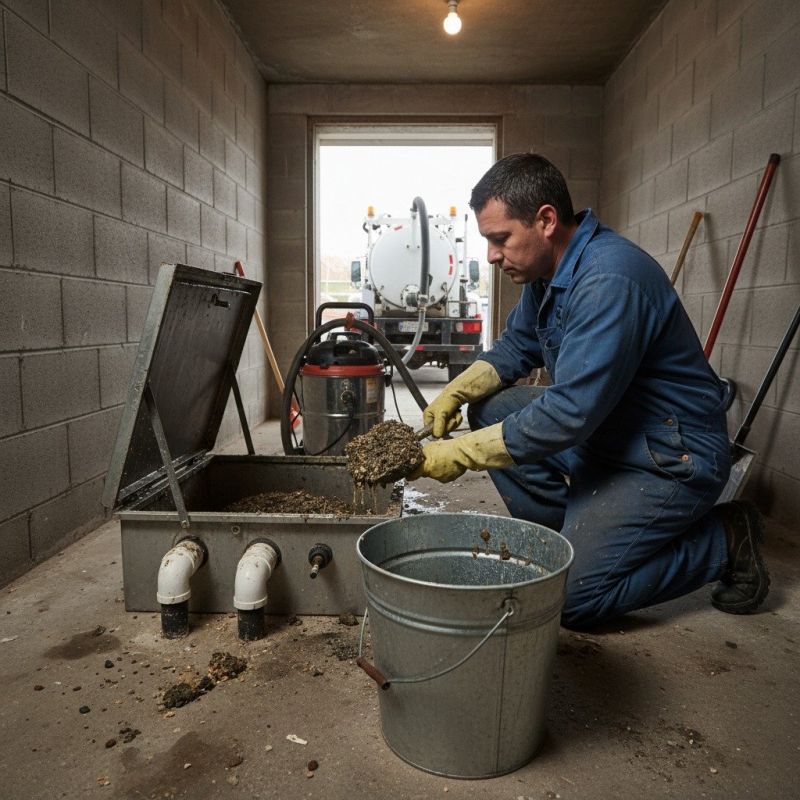
When comparing service providers for grease trap installation, it’s important to consider their experience with similar projects. Homeowners should look for local contractors who have a proven track record of handling installations comparable in size and complexity to their own. Experience can often be gauged through project portfolios or by inquiring about previous work, ensuring that the contractor understands the specific requirements and standards associated with grease trap systems. Selecting a provider with relevant experience helps ensure the job is completed efficiently and correctly, reducing the likelihood of issues down the line.
Clear, written expectations are essential when evaluating local pros for grease trap installation. Homeowners should seek detailed proposals or estimates that outline the scope of work, materials to be used, and the steps involved in the installation process. Having these expectations documented helps prevent misunderstandings and provides a basis for comparison among different contractors. Good communication from the outset can also indicate a professional approach, making it easier to address questions or concerns as the project progresses.
Reputable references and strong communication are key indicators of a reliable service provider. Homeowners are encouraged to ask for references or reviews from previous clients who had similar work done. Hearing about others’ experiences can provide insight into the contractor’s professionalism, reliability, and quality of work. Additionally, choosing local contractors known for responsive and transparent communication can lead to a smoother project experience. While the site introduces homeowners to local options, it’s important to remember that the actual work is handled by qualified service providers who can meet these criteria.
Property owners use Grease Trap Installation services for practical projects around their homes and businesses. This guide focuses on everyday jobs and straightforward project options.
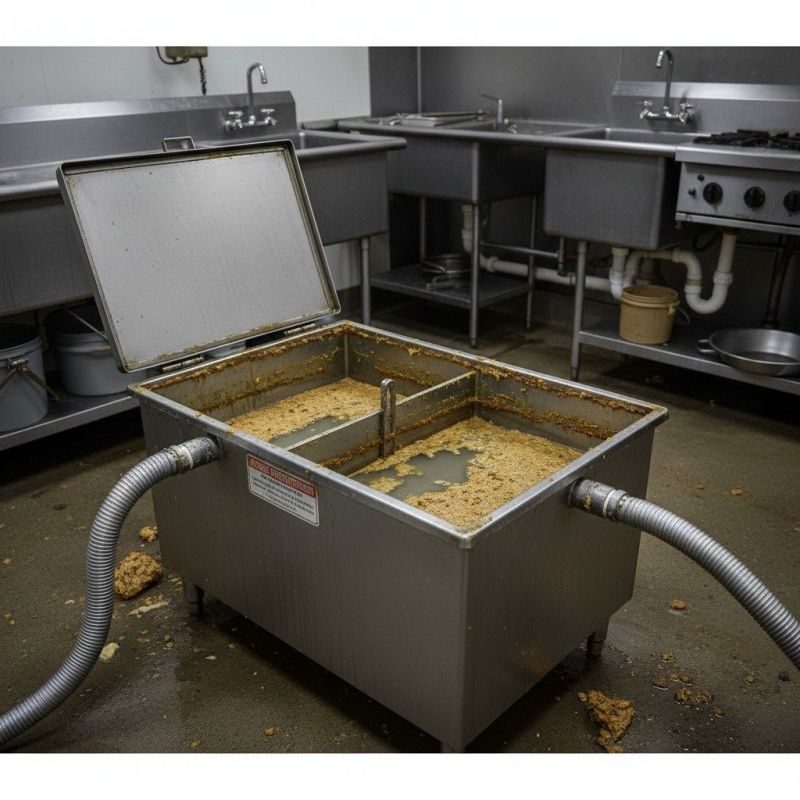
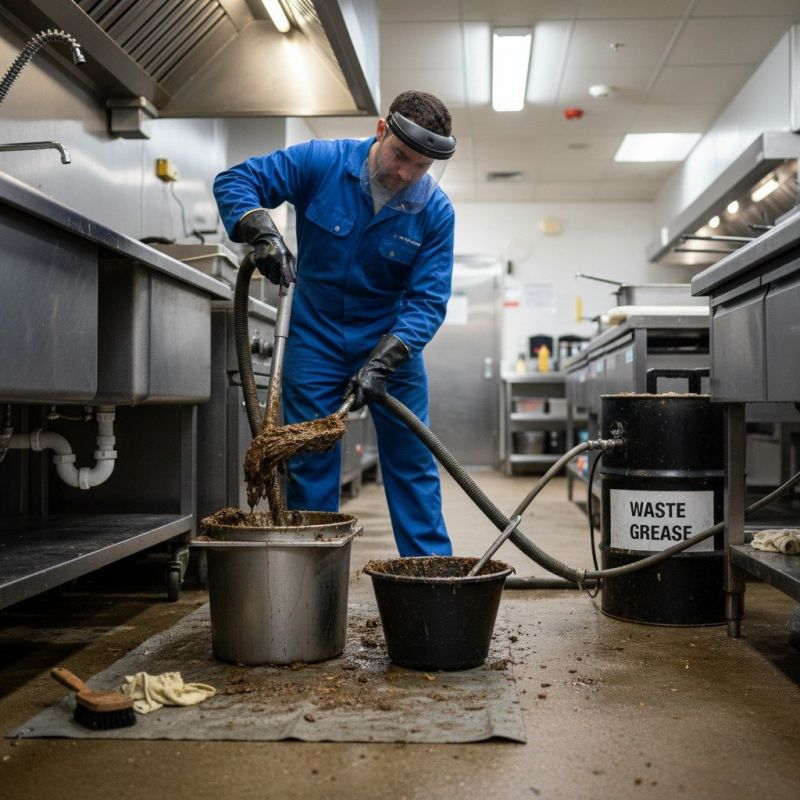
Grease trap installation is a common need for property owners operating commercial kitchens, restaurants, or food service facilities. When grease and food solids build up in plumbing systems, it can lead to clogs, foul odors, and potential code violations. Local contractors specializing in grease trap services are often called upon to install new units or upgrade existing ones to ensure proper drainage and compliance with local regulations. Property owners may seek these services to prevent plumbing issues, maintain smooth operations, and avoid costly repairs caused by neglected grease management.
In addition, property owners managing food-related businesses or facilities that generate significant grease waste might look for professional installation services to improve their drainage systems. Properly installed grease traps help control waste and reduce the risk of plumbing backups that can disrupt daily operations. Local service providers are equipped to handle installations efficiently and in accordance with industry standards, helping property owners keep their kitchens running smoothly and stay compliant with local health and safety requirements.
What is involved in grease trap installation? Grease trap installation typically includes selecting an appropriate location, preparing the site, and securely installing the unit to ensure proper function and compliance with local codes.
Are there different types of grease traps available? Yes, there are various types of grease traps, such as passive, automatic, and gravity grease interceptors, each suited for different commercial or residential needs.
How do I know if my property needs a new grease trap? A local contractor can assess your property’s plumbing system and usage to determine if a new grease trap installation is necessary or if an existing unit requires replacement.
What factors should be considered when choosing a grease trap? Factors include the size of your operation, local regulations, available space, and the type of fixtures that will connect to the trap.
Can a grease trap be installed in a residential property? Yes, some residential properties may require smaller grease traps, and local service providers can handle installations tailored for residential kitchens.
Grease Trap Installation for Commercial Kitchens - Ensures proper waste management and compliance with health regulations for restaurants and food service facilities.
Residential Grease Trap Setup - Helps homeowners prevent plumbing issues caused by kitchen grease buildup in home kitchens or apartment complexes.
Restaurant Waste Management Solutions - Assists food service businesses in maintaining efficient drainage systems and avoiding costly backups.
Custom Grease Trap Design and Placement - Supports property owners in planning and installing systems tailored to their specific kitchen layout and usage needs.
If you are thinking about Grease Trap Installation for a property, this guide is meant to help you understand the work, the typical project types, and how different options might fit your plans.
When you are ready, you can use the quote form on this page to share a few details about your project. From there, local pros can review the basics and respond with options that match what you have in mind.